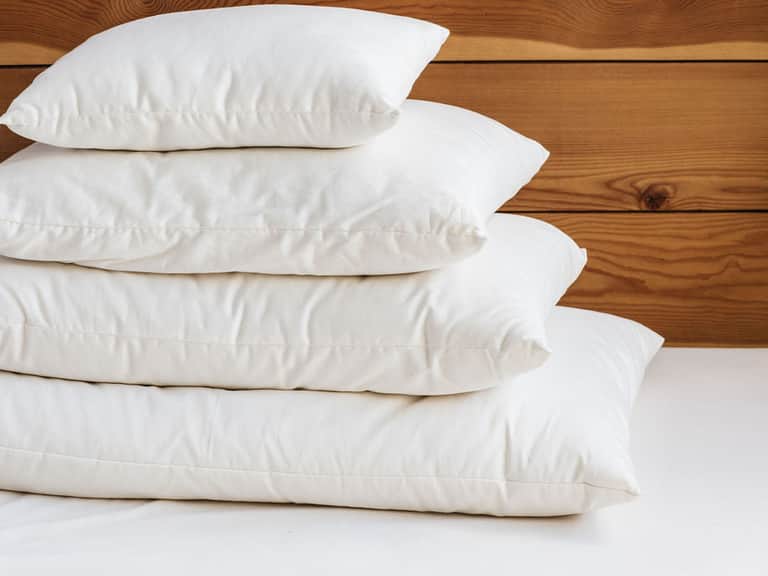
Wool, particularly from certified organic sources, offers natural temperature regulation, moisture-wicking properties, and durable resilience that support varied sleeping environments. This category emphasizes the role of organic wool in breathable bedding, emphasizing how wool fibers trap air to create comfortable, year-round climate control for sheets, pillows, and nursery textiles.
Organic wool bed pillows illustrate the balance of support and softness, with fibers designed to cradle the head and neck while maintaining airflow. Features often include natural elasticity, hypoallergenic properties, and resistance to dust mites, contributing to a healthier sleeping surface and assisting individuals with sensitive respiratory systems.
In bedding applications, organic wool functions as an insulating layer that adapts to body temperature changes. The material helps regulate warmth in cooler seasons and prevents overheating during warmer months, supporting restful sleep. Its durability supports long-term use for pillows and other wool-enriched bedding components.
Care considerations for organic wool include gentle cleaning methods and avoiding harsh chemicals that can compromise fiber integrity. Proper care maintains loft, resilience, and antimicrobial attributes. By understanding washing temperatures, drying practices, and storage, users can preserve the functional benefits of wool-based bedding products.
Within the nursery and household context, certified organic wool products provide a natural option for safe sleeping environments. The combination of comfort, breathability, and hypoallergenic properties makes wool suitable for cribs, bedding layers, and supportive pillows, aligning with wellness goals without relying on synthetic additives.
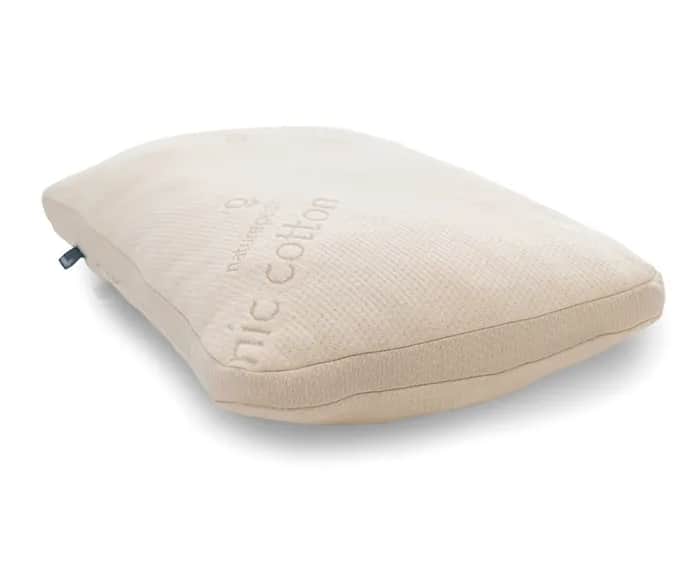 Bedding