Comforters are essential bedding layers that provide warmth and insulation while maintaining breathability throughout the night. In this category, materials and constructions influence temperature regulation, fill power, and hypoallergenic performance. Understanding the differences between down, feather, and synthetic fills helps determine suitable choices for varied climates and sleep preferences, with a focus on natural and organic options where possible.
Organic comforters emphasize high-quality fills and fabrics that meet strict sustainability standards. Properties to note include fill weight, loft, and end-use durability, as well as fabric weave and thread count. For sensitive sleepers, certifications and non-toxic finishes contribute to an overall sense of safety, comfort, and long-term health benefits within the bedding environment.
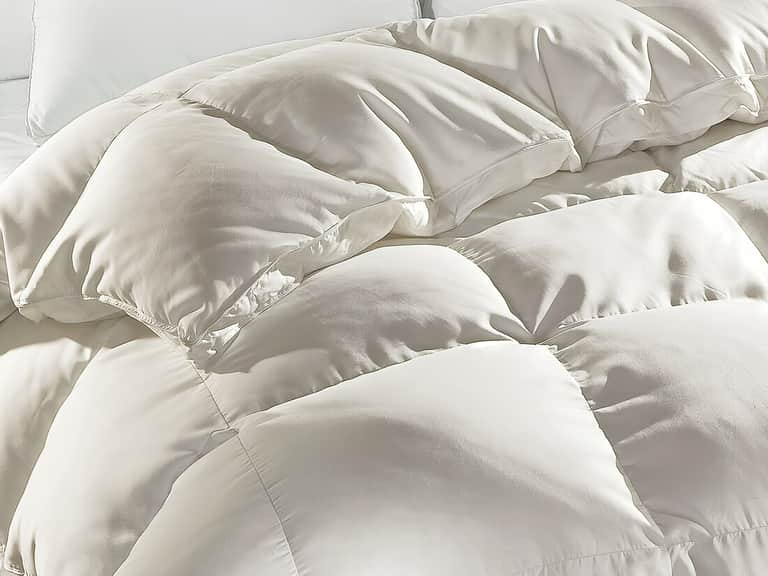
The Clean Bedroom Manhattan Goose Down Comforter exemplifies a balanced approach to warmth and loft, featuring responsibly sourced goose down and a durable shell fabric. Its design prioritizes exceptional warmth-to-weight ratio, consistent loft, and easy maintenance, making it a representative reference point for evaluating comparable organic comforters and their performance characteristics.
When selecting a comforter, consider climate, bedding layering, and seasonal needs. A heavier down-alternative may suit cooler environments, while lighter options support temperate settings. Layering with organic sheets and quilts can enhance thermal comfort, while ensuring breathability remains a priority to prevent overheating during sleep.
Key keywords related to bedding, pillows, sheets, organic mattresses, and organic crib mattresses intersect with comforter discussions to support a holistic approach to sleep ergonomics. By evaluating fill type, fabric quality, and certifications, consumers gain insight into how comforters contribute to a healthier, restful, and sustainable sleep atmosphere.
 Bedding